
What if we finally took climate change seriously?

An Italian climate in Berlin... and a Saudi Arabian climate in Paris. No matter what predictions you look at, climate change is happening. And if we're honest, then we're all already seeing these changes being manifested in the form of ever more frequent extreme weather. But apparently it still takes horrifying events like Germany's Ahr Valley flood disaster in 2021 for us to realise just how serious the situation is, at least in the short term... before the issue drifts out of mind again and we go back to business as usual, shying away from the effort of rethinking things. Buildings can't do that. Because climate change is already leading to consequences for them. They're exposed to stress situations they weren't built for. This has far-reaching effects for everyone involved in shaping the built environment, as it means we need a new long-term vision in planning.
It's easy to explain why: the vast majority of buildings erected today need to be designed to last 100 years or more. The conditions in which they'll be used in the future will be different to those now or when they were originally planned. So they need to be equipped to withstand multiple climate extremes – from storms, heavy precipitation and flooding to heatwaves and droughts. This requires future-oriented climate-change adaptation strategies. A building that doesn't heat up even though it's 35 degrees Celsius outside. A district that stores water instead of draining it away. A town or city where there are enough shaded places. Planted roofs, permeable paths, materials that don't absorb and retain heat. Adapting our built environment to a changing climate makes it more resilient. And more pleasant. For everyone.
To do this, we don't need more technology to fix bad buildings. We need smart design. More public spaces that can be used all year round. And the courage to break new ground – in architecture, in urban planning, in politics. For all those who design or construct buildings themselves, this additional planning perspective may still be somewhat unfamiliar. They might even have to justify the need for it. But it ensures that headlines about the impact of climate change won't be as bad in future. Resilient architecture is something like the unsung hero of sustainability: we only experience its positive effects indirectly, but its significance will keep growing as climate change progresses.
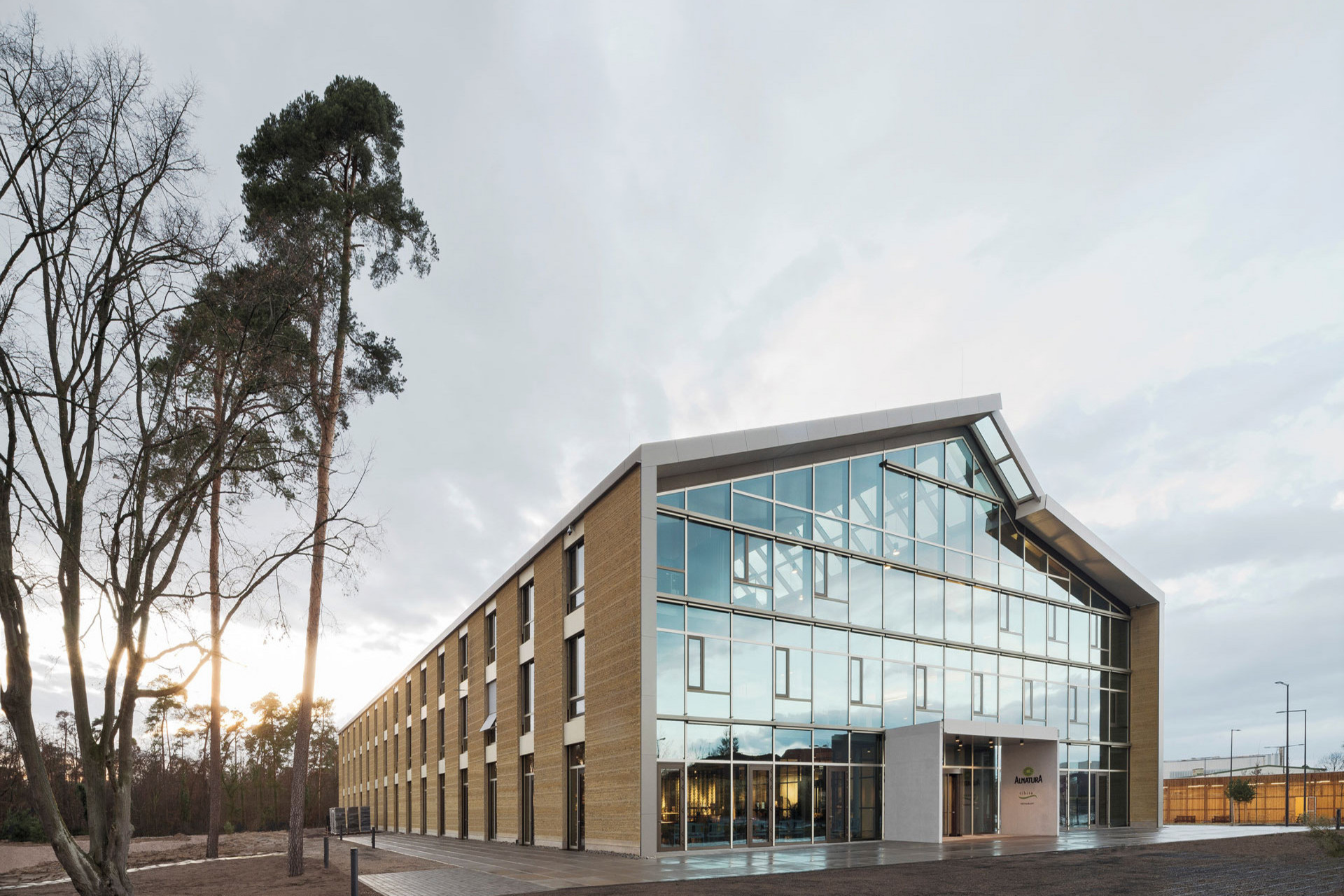
Alnatura Arbeitswelt, Darmstadt
This low-tech office building was created using a high-quality holistic approach. It boasts Europe's largest rammed earth façade with integrated geothermal wall heating – combining resilience and cosiness with climate action.
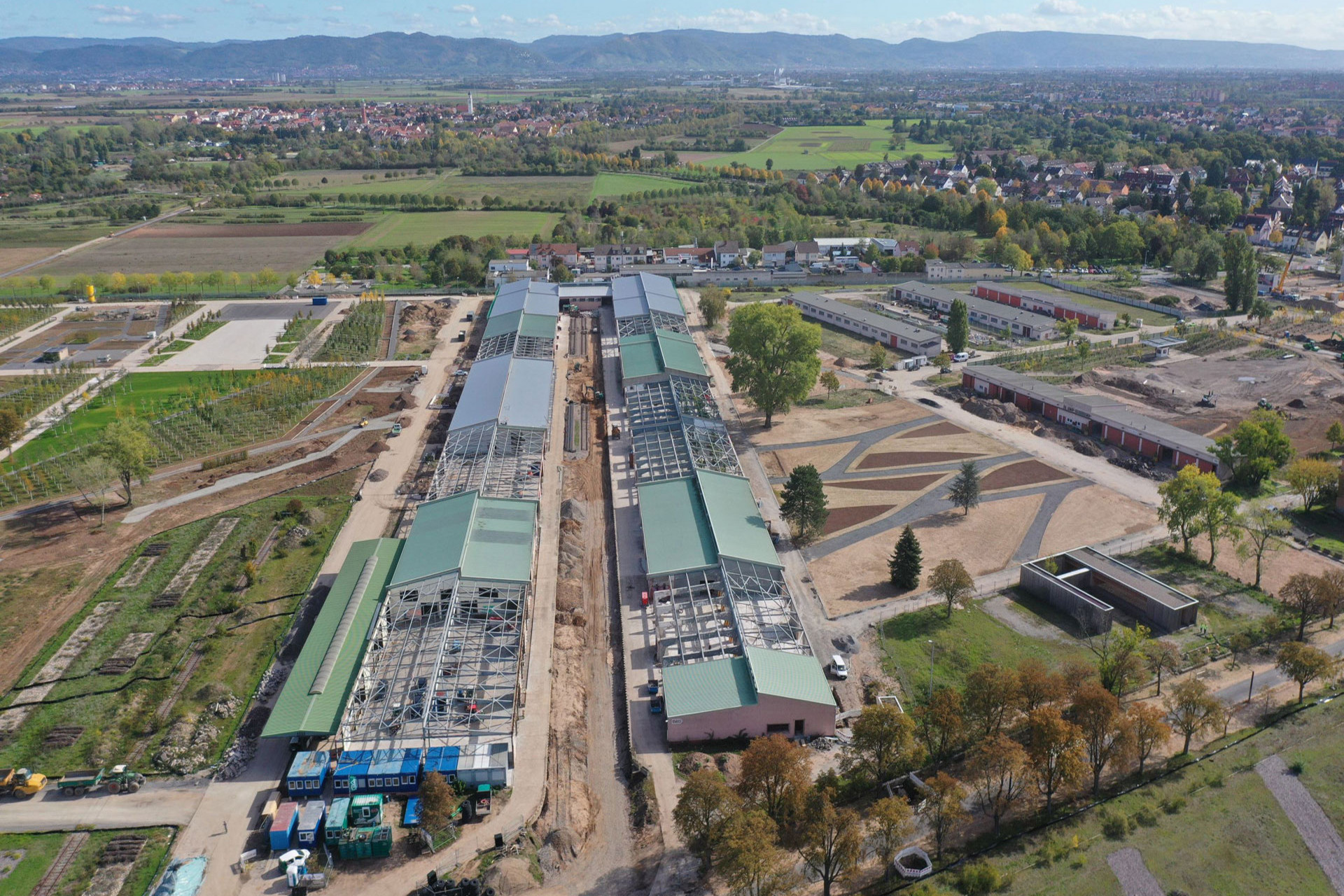
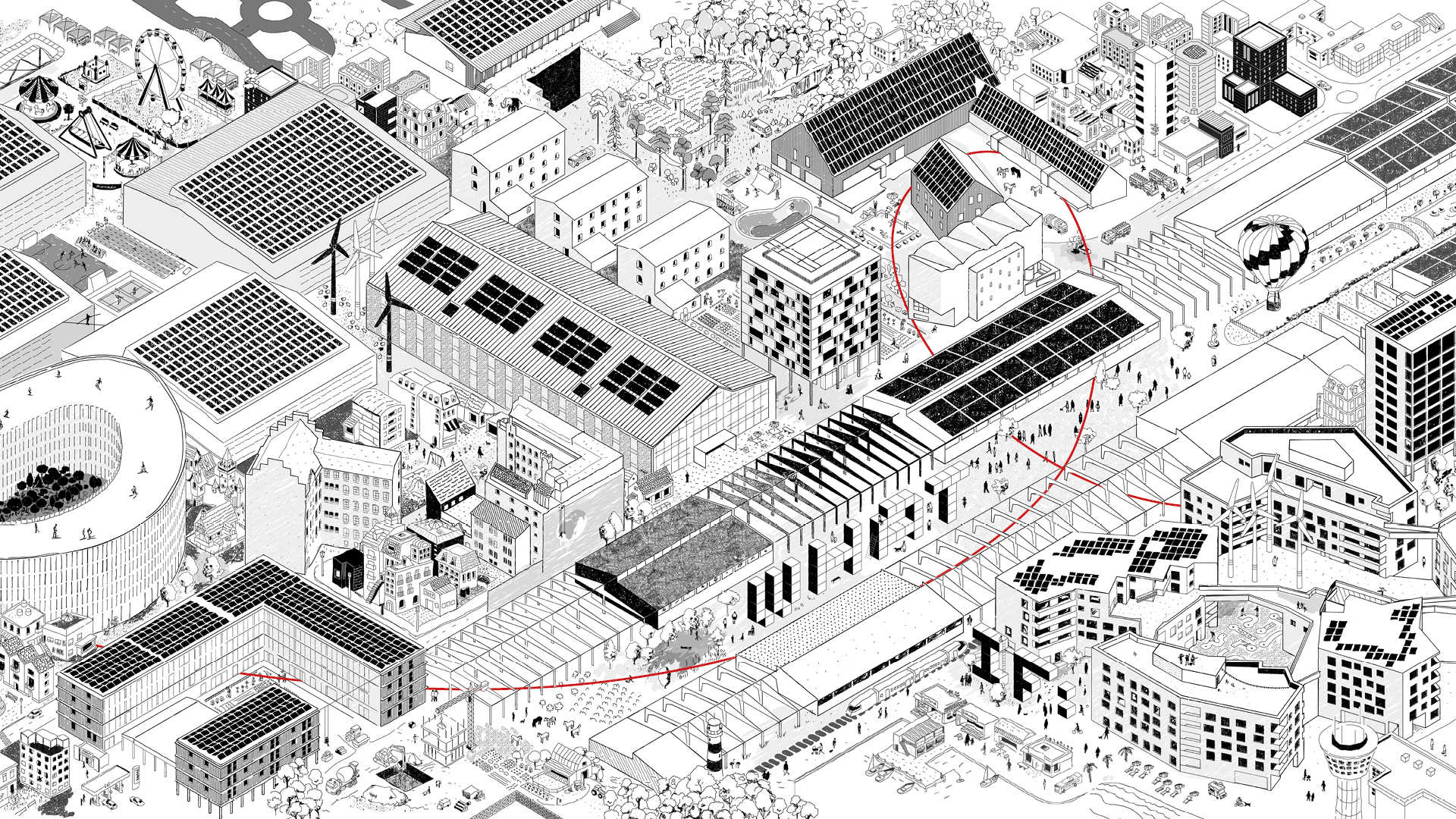
U-Halle, Mannheim
This former warehouse was converted into an adaptable multifunctional building, with sections of hall opened up to create an important corridor for cold air. It also increases biodiversity through soil unsealing and greening.
You want to get actively involved in sustainable architecture yourself? Start here:
What if we stopped exporting our idea of modern architecture to the rest of the world?
Uniform architecture, resource ignorance, short-term responsibility, car-centric urbanism and social ignorance are the “principles of failure” identified by the SHIFT initiative. It challenges the type of architecture – promoted as ‘modern’ – that industrialised countries have exported to the world in recent decades. A justified point, or do you think fully glazed highrises make sense in the world’s hottest climate zones? Why not instead learn from the experience and principles underpinning construction in the Global South?
What if we always took extreme weather events into consideration during planning?
Climate change is progressing, increasing the likelihood of extreme weather events with catastrophic consequences. Climate forecasts and extreme weather maps can tell us where the situation is critical today and will be in future, and where targeted countermeasures are needed to minimise potential damage. Heat action plans go even further: they bring those responsible for administration, planning and healthcare together in advance so that the area in question is prepared for extreme scenarios. An important preventative measure, especially for all those who can’t help themselves.
Download the working aid "heat action planning for local authorities" (German)
Share your thoughts!
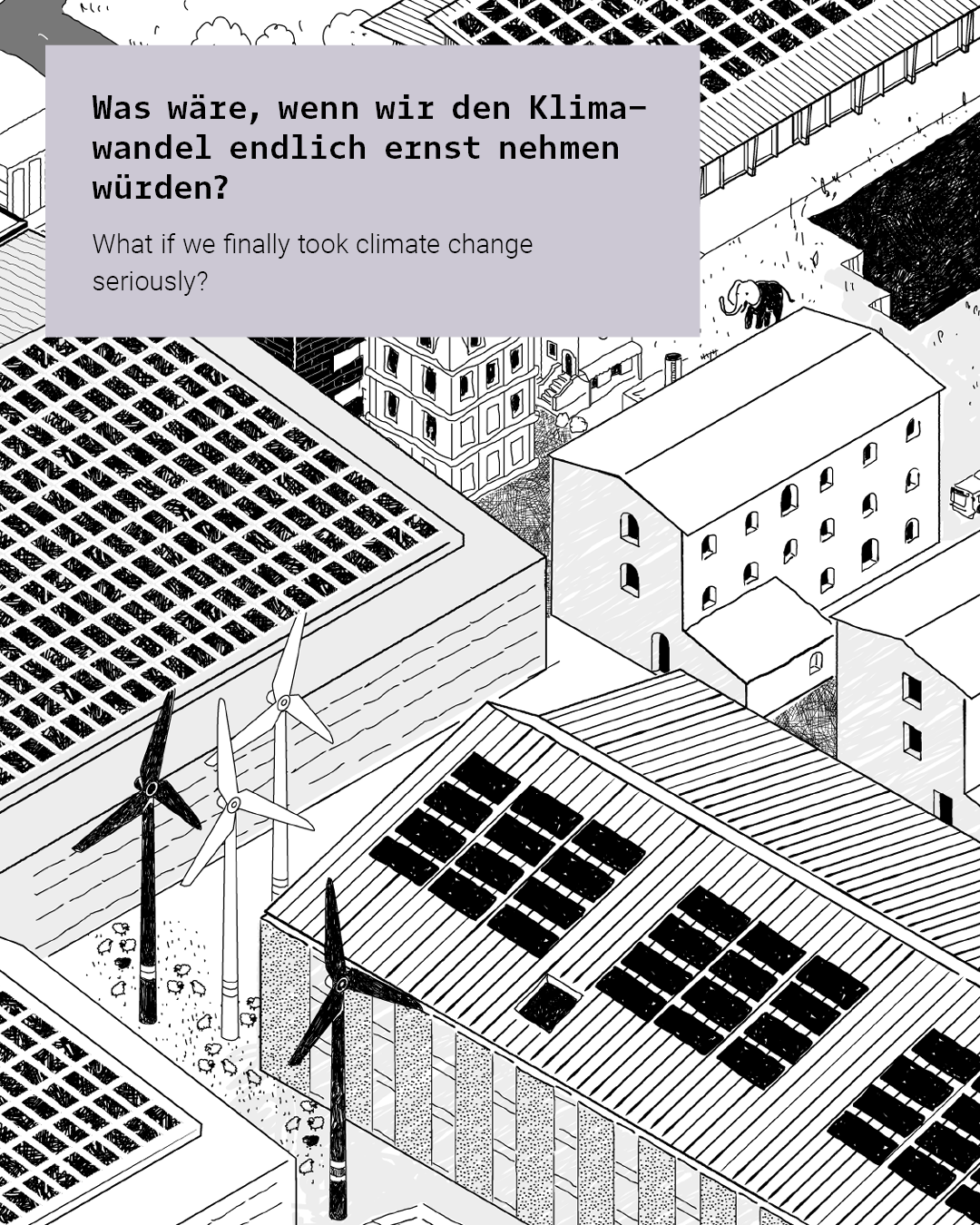
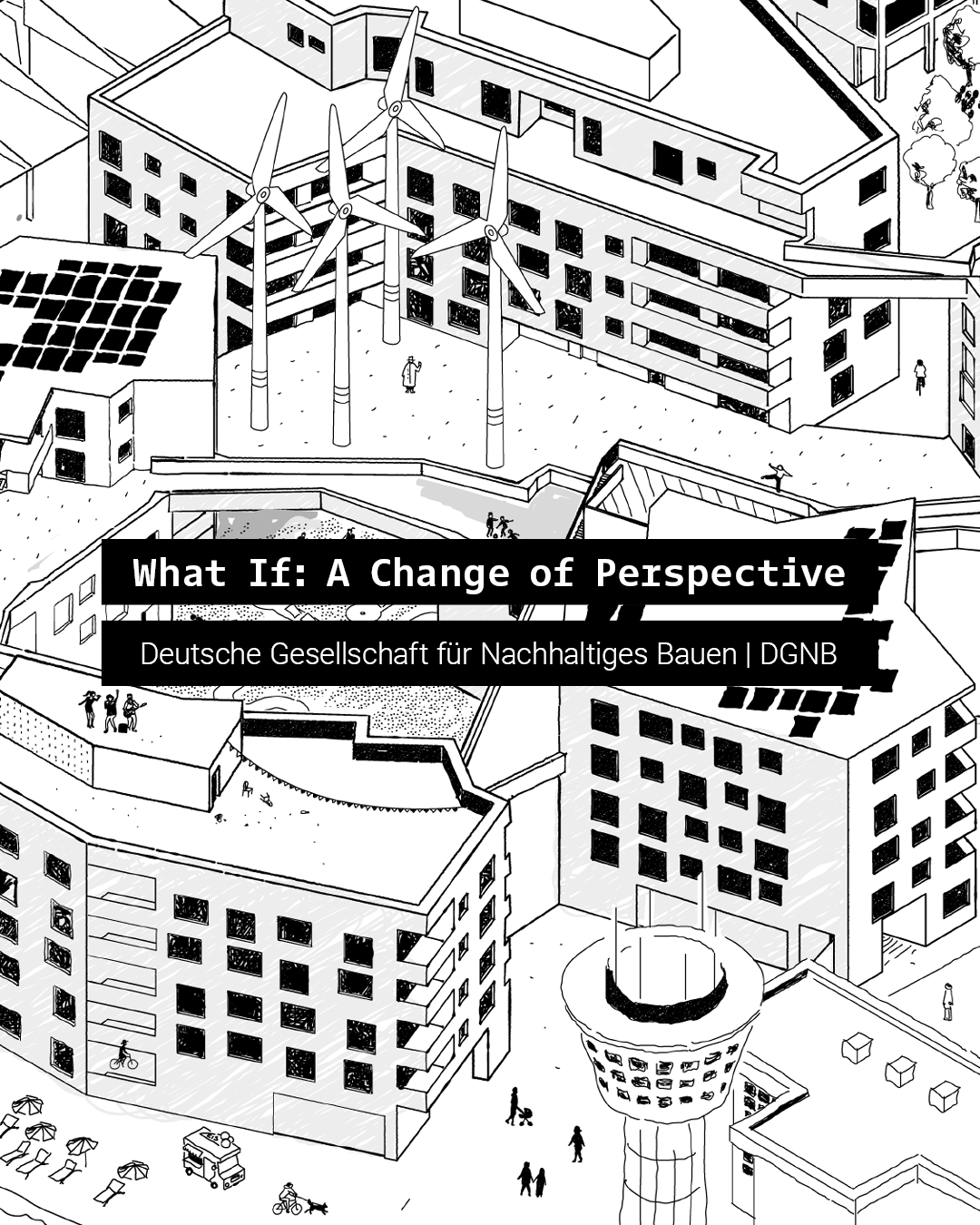
Want to share your thoughts on the topic or the exhibition? Feel free to use the visuals below.
If you're planning to post on LinkedIn, please link to us! To the DGNB Account
On to other topics covered by the exhibition
Your contact
Katrin Wolf
Deputy Director / Manager Trade Fairs, Events and Partnerships
- Phone: +49-711-722322-38
- Email: k.wolf@dgnb.de
Paul Bandowski
Project Manager Content Creation
- Phone: +49-711-722322-144
- Email: p.bandowski@dgnb.de