
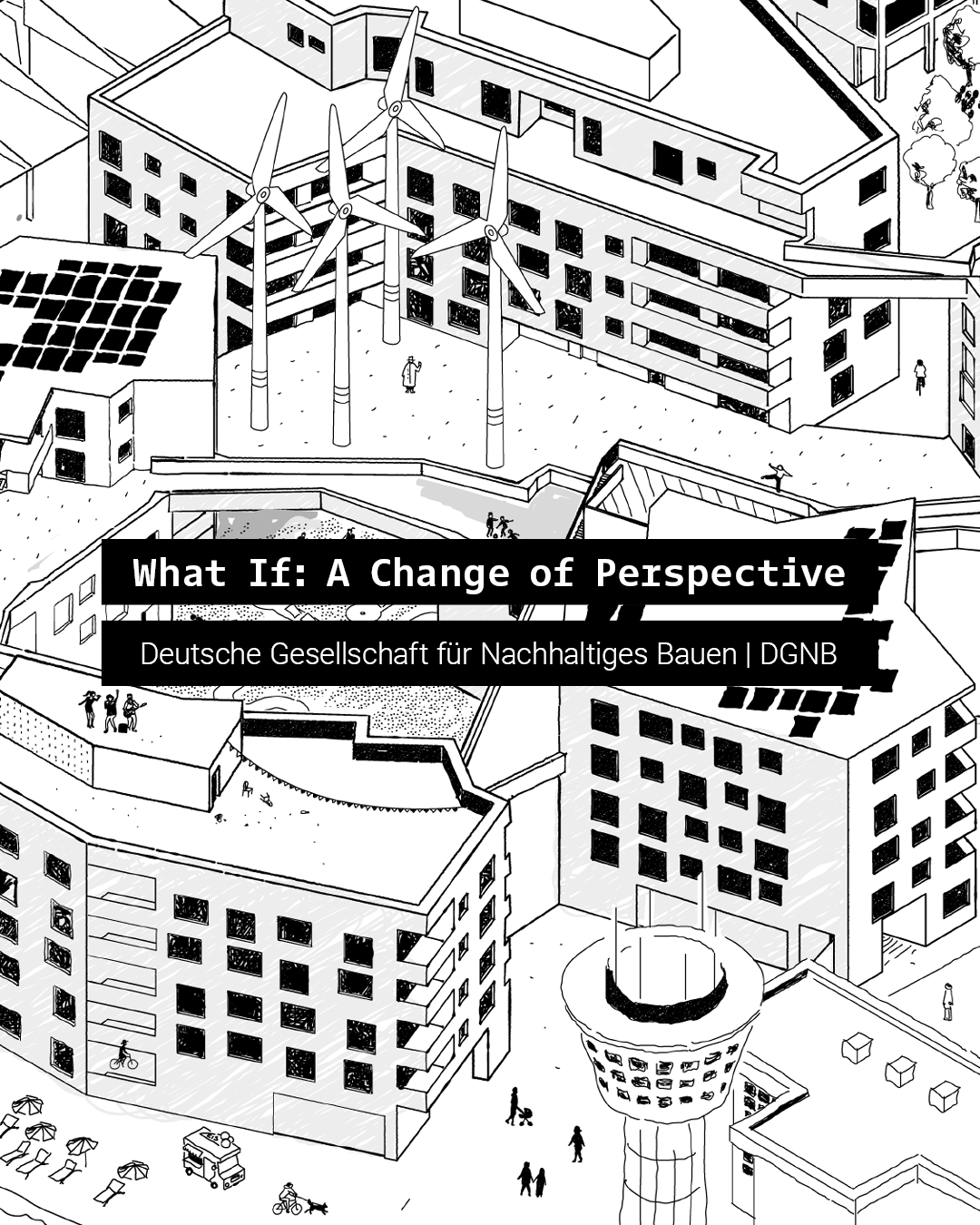
What if we planned cities and spaces so that we’d enjoy spending time in them?
The built environment could scarcely have a bigger impact on our lives. Have you ever asked yourself if you feel at ease in the places that make up your day-to-day environment – in your home, your office and all the public spaces you spend your leisure time in? Putting people at the heart of planning is a maxim that is all too often forgotten in a time of investor-driven architecture and an eagerness to build quickly and cheaply. Price per square metre is seen as more important than whether a building's users like spending time in it. Short-term returns count more than people.
Yet the most essential function of buildings is to provide us with spaces we feel safe and secure in. Spaces in which we learn, work and live together. And aren't public spaces there to enable encounters and increase interaction? Looking at many of the so-called public spaces in our cities that are anything but inviting, one may well ask: how could it get this far? The built environment isn't something that just happens – it's the result of active choices!
In other words, building owners and planners both have to take a stance. And be ready to take the perspective of current and future users into consideration. To actively address the question of how a building is used and who by. Participation isn't a necessary evil, it's an opportunity.
What if we adjusted our criteria for what constitutes good architecture? If we made it our priority to create places that strengthened social cohesion, that people identified with and that didn't exclude anyone? No-one would be likely to object. In this sense, socially responsible planning and construction is about moving the benchmark. Not designing less, but differently. Not just creating spaces, but relationships. And in everything we build – from residential buildings to subway stations. As Germany's Federal Foundation of Baukultur says so succinctly: "Spaces shape people. People shape spaces."
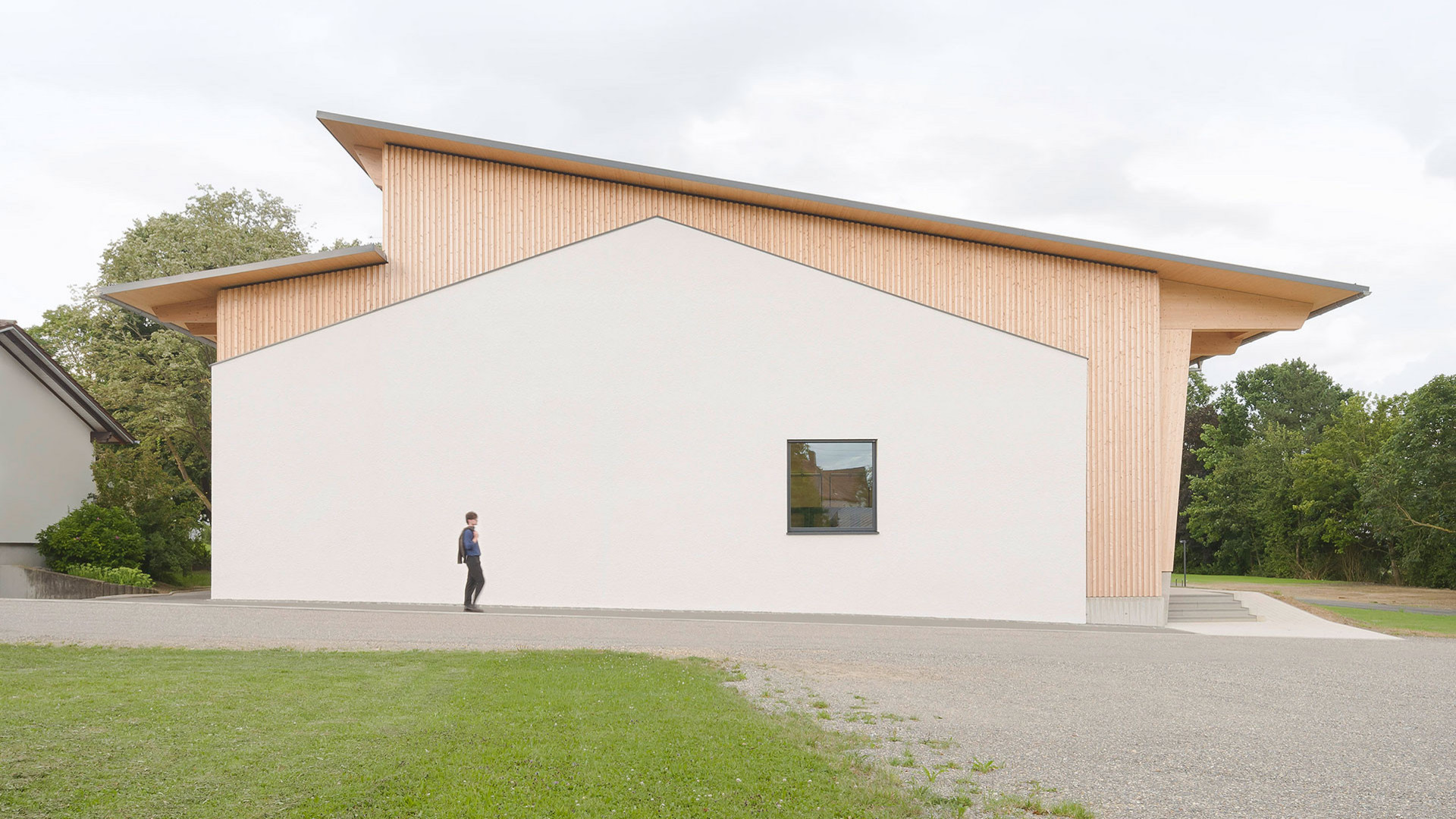
Mehrzweckhalle Ingerkingen
This hall testifies to the value in adding to an existing building. For over 60 years, it served as a social hub for the community, and continues to do so now that it has been extended and renovated. The extension was added on top and integrated into the existing building, giving it a whole new aesthetic.
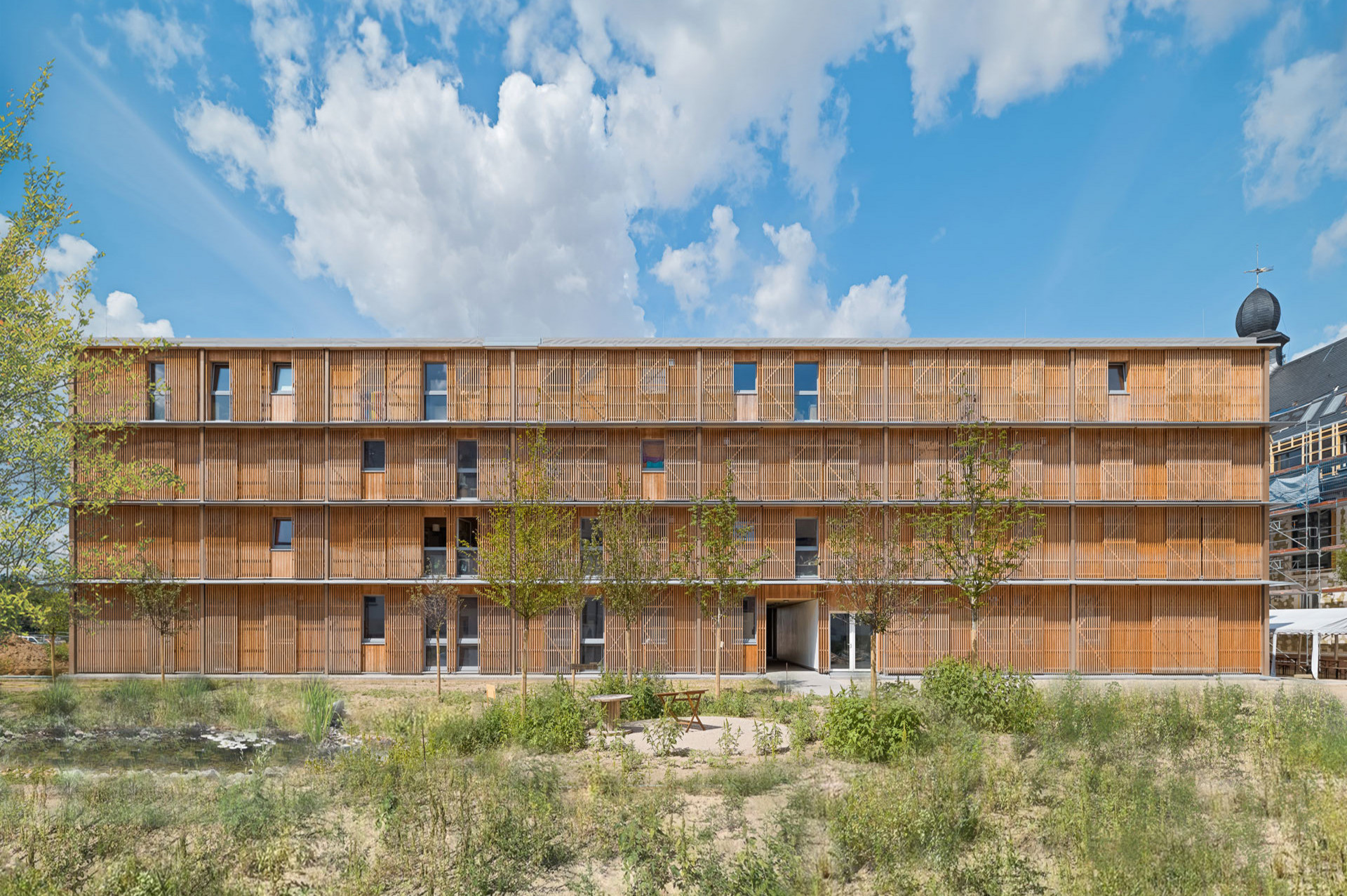
Collegium Academicum, Heidelberg
Collegium Academicum is Germany's first self-managed and self-financed residential project for students. Thanks to flexible floor plans and architecture based on the sufficiency principle, the students can modify their living space whenever they want – as the design allows them to add and move internal walls.
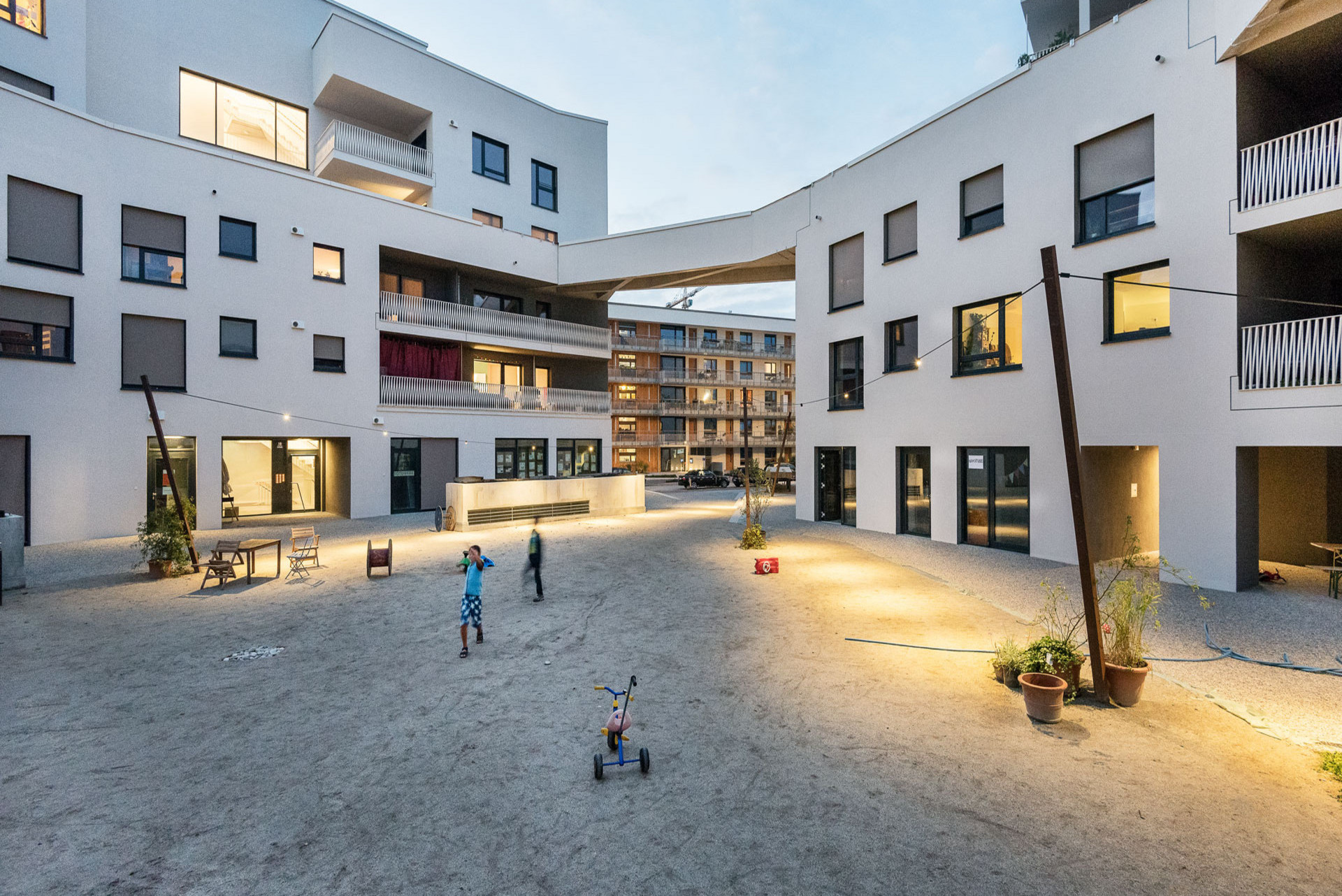
wagnisART, Munich
At the time of its completion, this cooperative housing project was in many ways exemplary in Germany. The result of intensively involving the future residents in the planning process, the finished building's architecture fosters a sense of identity and promotes community spirit among those living in the 138 units.
You want to get actively involved in sustainable architecture yourself? Start here:
What if every project had architectural quality?
The value of buildings extends beyond their primary intended use. They have the potential to foster identity and become part of cultural heritage – if they were designed with architectural quality in mind. The DGNB Diamond is a special award for this. It is bestowed to buildings that are timeless and enduring. That find the right balance. That are well integrated into their surroundings. That people enjoy using. Buildings that no-one would want to demolish again.
What if we knew whether a building would actually function in its social context?
When does the work of architectural professionals end? When the building is complete? If so, who checks to see if the building actually has the social impact that was hoped for? Social Positive is a new DGNB award that recognises this. It is bestowed to projects that have a tangible positive effect on the community they are located in. The award isn’t judged according to a checklist but based on real qualities assessed during an on-site visit.
Would you like to find out more? Then please feel free to write to Dr Anna Braune (Director Research and Development) at a.braune@dgnb.de.
What if we saw sufficiency as being about what’s appropriate from a holistic perspective, not about forgoing something?
There is no shared public understanding of the principle of sufficiency. Yet it’s a central element of every sustainability strategy that needs to be applied at the start of every building or conversion project, as it addresses and consciously answers key questions of appropriateness: Can the existing building be used instead of erecting a new one? Can we make efficient use of space? Can the building be used more intensively? How much comfort makes sense? And what amount of materials and technology is needed?
- Discussion on the topic: "How the principle of sufficiency is changing construction" (German)
Share your thoughts!
Want to share your thoughts on the topic or the exhibition? Feel free to use the visuals below.
If you're planning to post on LinkedIn, please link to us! To the DGNB Account

On to other topics covered by the exhibition
Your contact
Katrin Wolf
Deputy Director / Manager Trade Fairs, Events and Partnerships
- Phone: +49-711-722322-38
- Email: k.wolf@dgnb.de
Paul Bandowski
Project Manager Content Creation
- Phone: +49-711-722322-144
- Email: p.bandowski@dgnb.de