
What if every building enriched its surroundings without harming the environment?
What has the mosquito ever done for us? That's the title of a book by biodiversity expert Frauke Fischer. Probably not a lot, you might think. And this is precisely where one of the greatest challenges lies when it comes to biodiversity – including in construction. Many people associate biodiversity with, say, butterflies in a flower-filled meadow or birdsong in the forest. But what does it mean for buildings? Or for your own project and the materials used in its construction? Biodiversity loss is one of the biggest global problems, one that has entered public consciousness far too late. Entire ecosystems are already tipping out of balance, and this will get even worse if we carry on the way we have been doing. With far-reaching consequences: for our food, our water, our climate – and ultimately for our own lives.
The construction sector plays a central role in all of this, but at the moment, mostly in a negative way – due to soil sealing, habitat fragmentation, light pollution and overexploitation of resources. Yet buildings harbour all kinds of opportunities to make a positive contribution. And not by just putting up an insect hotel next to them. It's about designing outdoor areas that act as habitats for native flora and fauna. Roofs and façades that fully exploit opportunities for greening and connect these areas into green corridors. There are many examples showing that this can be successfully combined with photovoltaic systems. And the question of where the materials used come from and how they are made is relevant too.
Do all architectural professionals need to become biodiversity experts? Some basic knowledge could at least help, as good intentions don't always lead to good outcomes. Appropriately integrating greenery in the areas it makes sense to is what is needed, rather than gimmicky installations that grab attention. Not every detail needs to be set in stone. On the contrary, biodiversity needs freedom to flourish. The good thing is that once you commit to this, you're rewarded: with a more pleasant microclimate, more liveable buildings, more resilient districts. And places that are enjoyable to spend time in – whether in Germany or other parts of the world. Because they make life richer in many ways.
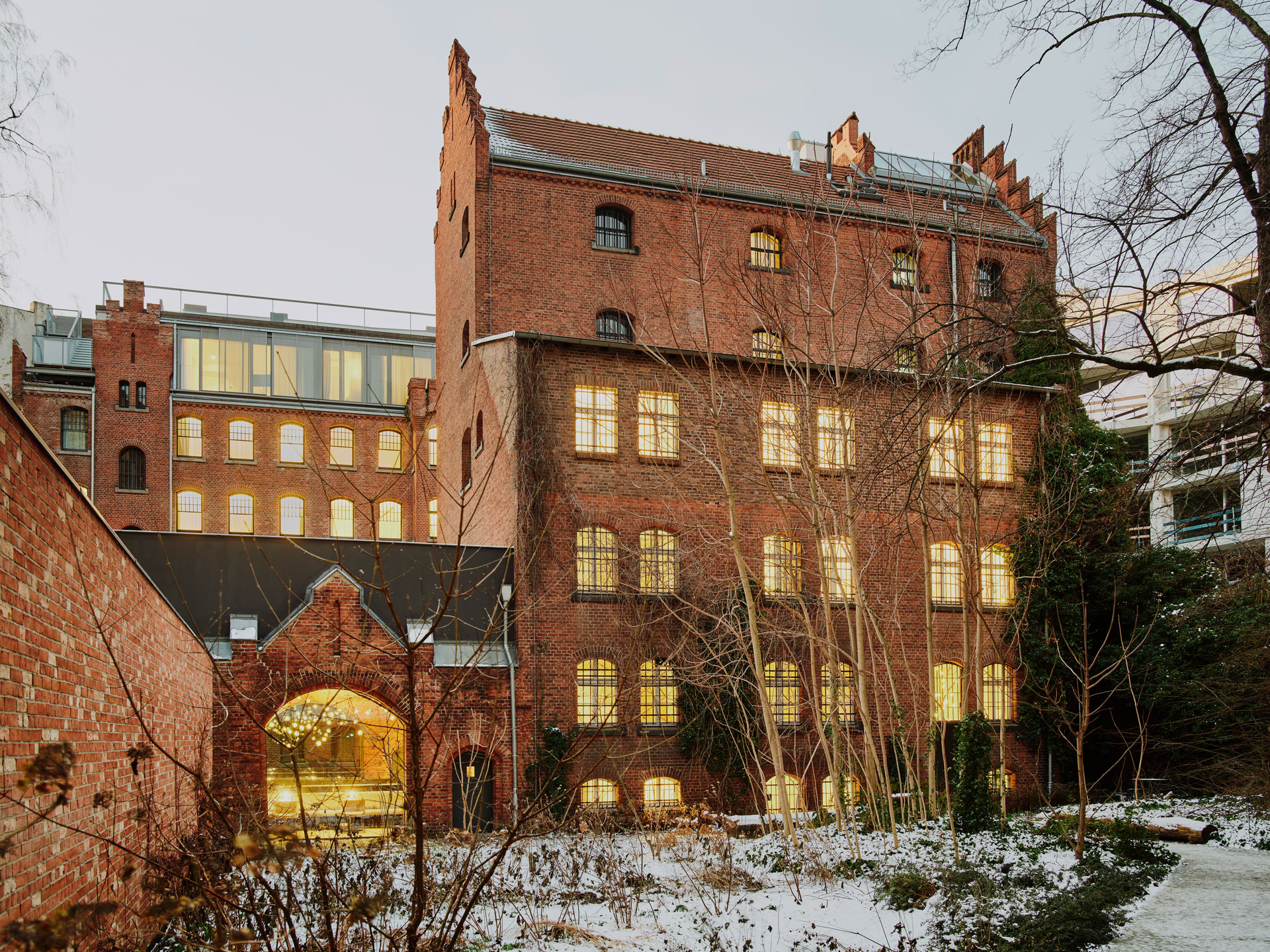
Hotel Wilmina, Berlin
This former women's prison is a prime example of redensification of an existing building with a minimal carbon footprint while unsealing soil and renaturalising land. With only minimal structural modifications while preserving as much of the building as possible, this once-oppressive place was successfully reshaped into an inner-city oasis of calm.
You want to get actively involved in sustainable architecture yourself? Start here:
What if planners treated biodiversity as more than just a buzzword?
When it comes to planning suitable measures to promote biodiversity, superficial knowledge isn’t enough. What is needed are people who know what an invasive species is. Who understand exactly how roofs and façades can be appropriately greened and can design near-natural exterior spaces. All of this can be learned by training to become a DGNB Biodiversity Manager. The criteria set of the DGNB System for Biodiversity-Promoting Exterior Spaces is also a good place to start.
More about the DGNB System for biodiversity-promoting Exterior Spaces
What if we could shape our built environment into a habitat?
Greening has the potential to become a vital urban building block. It stores water, filters particulates and creates valuable habitats for animals and people. The plants also cool urban spaces and buildings via shade and evaporation. This doesn’t mean that everything everywhere has to be greened. There are constant maintenance costs, and the location and type of vegetation must be well-chosen so that they are appropriate for the project and can have a positive impact.
Selected seminars at the DGNB Academy to get you started:
Please note: All seminars are currently held in German.
- Kommunale Klimaanpassung – Resiliente Stadtentwicklung mit dem richtigen Stadtgrün (Climate adaptation at local level – Resilient urban development with the right urban greenery)
- Naturnahe Planung statt invasiver Arten: Strategien für klimaresiliente Freiräume (Nature-based planning instead of invasive species: strategies for climate-resilient open spaces)
- Das Gründach als Multitalent – Begrünung und Photovoltaik intelligent kombinieren (The green roof as a multi-talent – intelligently combining greening and photovoltaics)
Share your thoughts!
Want to share your thoughts on the topic or the exhibition? Feel free to use the visuals below.
If you're planning to post on LinkedIn, please link to us! To the DGNB Account

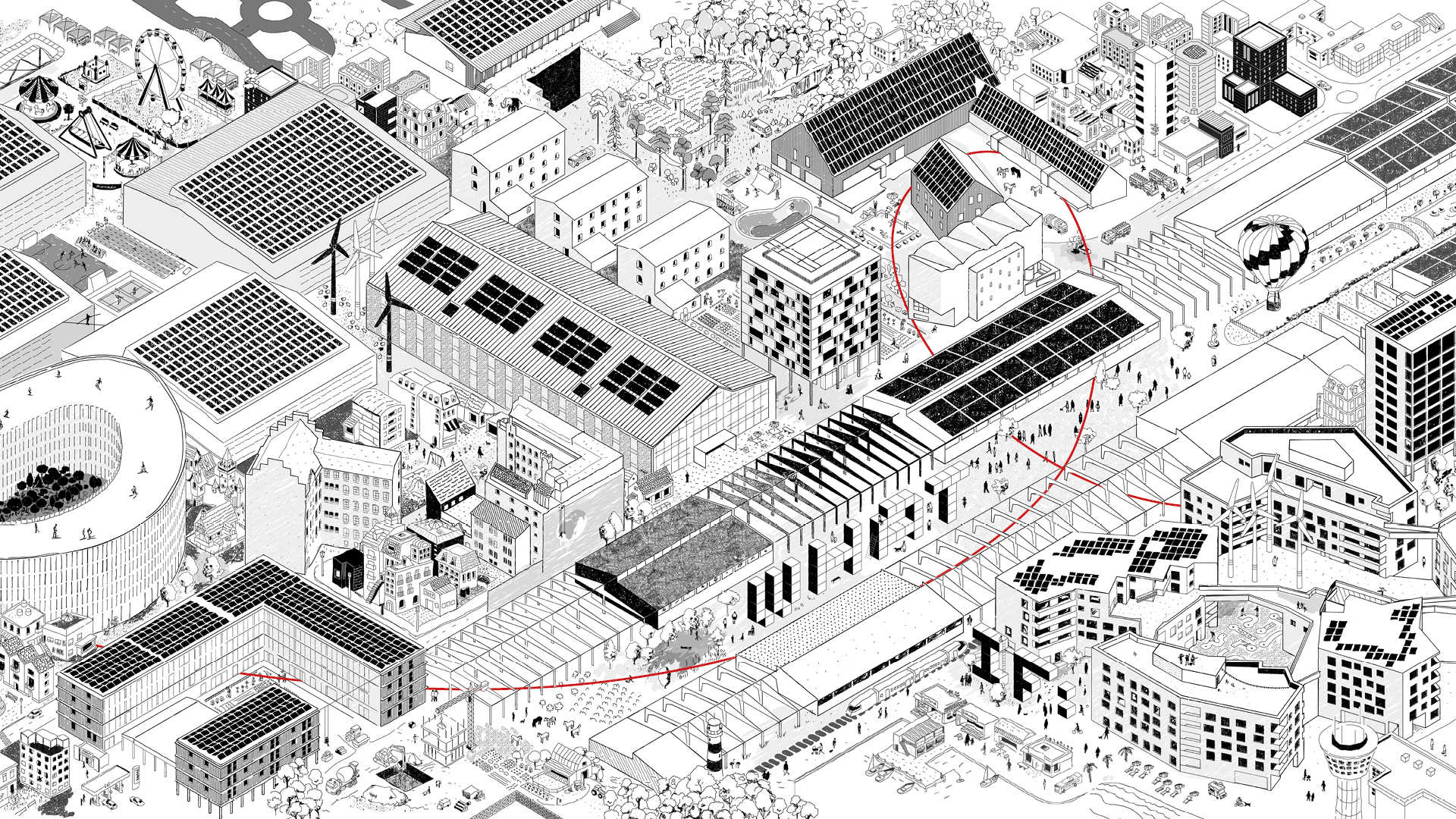
On to other topics covered by the exhibition
Your contact
Katrin Wolf
Deputy Director / Manager Trade Fairs, Events and Partnerships
- Phone: +49-711-722322-38
- Email: k.wolf@dgnb.de
Paul Bandowski
Project Manager Content Creation
- Phone: +49-711-722322-144
- Email: p.bandowski@dgnb.de